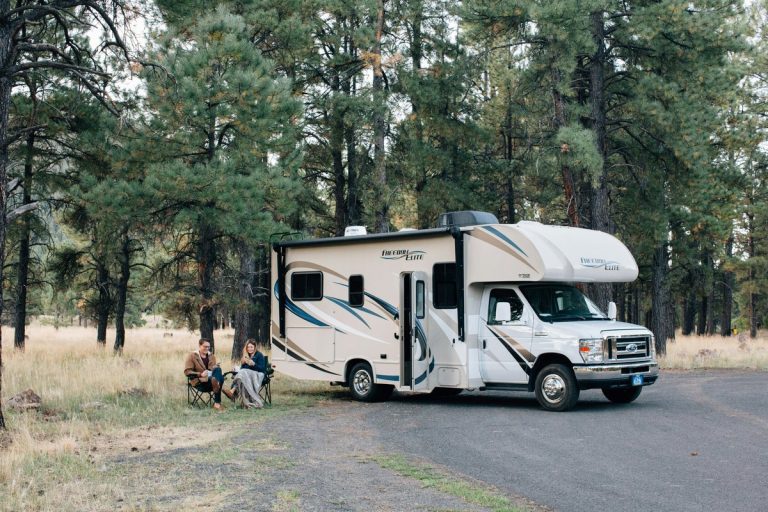

The True Cost of Living in a Camper Van
Disclosure: As an Amazon Associate, we earn from qualifying purchases. This post contains affiliate links, meaning we may receive a commission if you make a purchase through them (at no extra cost to you). We only recommend products we trust and use ourselves.
The True Cost of Living in a Camper Van
Table of Contents
- Introduction
- Upfront Costs: Buying and Building
- Monthly Budget Breakdown
- Hidden Costs You Can’t Ignore
- How to Save Money on Van Life
- Is Van Life Cheaper Than Renting?
- Conclusion
Introduction
You’ve seen the Instagram photos: a cozy van parked by a turquoise lake, fairy lights twinkling, and a smiling couple sipping coffee. The #VanLife movement promises freedom, adventure, and a simpler life. But what does it actually cost to live in a camper van?
Before you quit your job and buy a van, you need a realistic picture of the expenses. The true cost goes far beyond the initial purchase. From conversion materials to daily fuel, maintenance to unexpected repairs, the numbers add up. In this article, we break down every dollar so you can decide if van life fits your budget.
Upfront Costs: Buying and Building
The biggest hurdle is getting a vehicle and making it livable. Costs vary wildly based on your choices.
Buying a Van
| Van Type | Price Range (Used) | Pros | Cons |
|---|---|---|---|
| Cargo Van (e.g., Ford Transit, Ram ProMaster) | $15,000 – $35,000 | Ample space for conversion | Requires full build-out |
| Minivan (e.g., Toyota Sienna, Honda Odyssey) | $5,000 – $15,000 | Cheaper, stealthy, fuel-efficient | Limited headroom, less space |
| Class B RV (e.g., Winnebago Travato) | $40,000 – $100,000+ | Ready to live in, warranty | Expensive, less customizable |
| School Bus Conversion (Skoolie) | $5,000 – $20,000 | Cheap base, huge space | Poor fuel economy, parking challenges |
Conversion Costs
If you buy a cargo van, you’ll need to build it out. A basic DIY conversion costs $3,000–$8,000 for materials (insulation, flooring, bed frame, storage). Adding electrical (solar panels, batteries, inverter) runs $1,000–$5,000. A kitchen with sink, stove, and fridge adds $500–$2,000. Professional conversions can easily hit $20,000–$80,000.
Tip: Buy a used, already-converted van to save time and money. Many owners sell fully equipped vans for $20,000–$50,000.
Monthly Budget Breakdown
Once you’re on the road, your monthly expenses replace rent and utilities. Here’s a typical breakdown for a solo traveler in the U.S.
| Category | Cost per Month | Notes |
|---|---|---|
| Fuel | $150 – $400 | Depends on mileage and gas prices |
| Campsites | $0 – $300 | Free BLM land vs. paid RV parks |
| Food | $250 – $400 | Cooking in van saves money |
| Van Insurance | $80 – $200 | Full-time RV insurance required |
| Phone/Internet | $70 – $150 | Hotspot plans for remote work |
| Maintenance & Repairs | $50 – $200 | Set aside for oil changes, tires |
| Miscellaneous | $50 – $150 | Laundry, propane, gym membership |
| Total | $650 – $1,800 |
Key Factors That Affect Your Budget
- Driving habits: Frequent moves increase fuel costs. Staying put for weeks lowers them.
- Camping style: Free boondocking on public land costs nothing; RV resorts with hookups can be $40–$80/night.
- Diet: Eating out adds up fast. Cooking in your van is cheaper and healthier.
- Climate: Winter heating (propane or electric) adds $50–$100/month.
Hidden Costs You Can’t Ignore
Many new van dwellers overlook these expenses until they hit their wallet.
Vehicle Repairs
Vans break down. A transmission rebuild can cost $3,000–$5,000. Even routine maintenance (tires, brakes, oil) adds up. Always keep an emergency fund of at least $2,000.
Storage
If you keep a storage unit for belongings you didn’t bring, expect $50–$150/month.
Mail Forwarding
A digital mailbox service runs $10–$30/month plus shipping.
Gym Membership
For showers and Wi-Fi, many van dwellers join Planet Fitness ($10–$25/month).
Gear Replacement
Camping gear, electronics, and van appliances wear out. Budget $50–$100/month for replacements.
Parking Tickets
Urban stealth camping can lead to fines. Avoid sleeping in no-overnight zones.
How to Save Money on Van Life
You can keep costs low with smart strategies.
- Boondock often: Use free campsites on BLM land, national forests, and Walmart parking lots.
- Cook your own meals: Avoid restaurants. A propane stove and cooler are all you need.
- Drive less: Stay in one area for weeks. Use a bike or scooter for errands.
- DIY maintenance: Learn basic van repairs (oil changes, fuse replacements) via YouTube.
- Get a remote job: Work online to fund your travels. Many van dwellers are freelancers or digital nomads.
- Join van life communities: Facebook groups and forums share cheap campsite tips and gear deals.
Is Van Life Cheaper Than Renting?
Let’s compare. The average U.S. rent for a one-bedroom apartment is $1,200–$1,500/month (plus utilities). Van life monthly expenses average $800–$1,200. So you can save $300–$700/month after paying off your van.
But consider the upfront cost: a $30,000 van takes years to recoup. If you stay in the van for five years, your total cost (van + monthly) might be $50,000–$80,000, while renting would be $72,000–$90,000. You still come out ahead, but the savings aren’t immediate.
The real win: Van life gives you flexibility and freedom, not just financial savings. You can travel, work from anywhere, and live with less.
Conclusion
Living in a camper van isn’t free, but it can be cheaper than traditional housing if you plan wisely. The true cost includes upfront investment, monthly upkeep, and hidden expenses like repairs. By budgeting carefully and adopting a minimalist mindset, you can make van life work on almost any income.
Ready to hit the road? Start by calculating your own budget using the numbers above. Then check out our guide on the best vans for full-time living to find your perfect home on wheels.
Best Solar Panels for RV Camping in 2026
Anker 757 PowerHouse Review: Is It Worth It?
Further reading