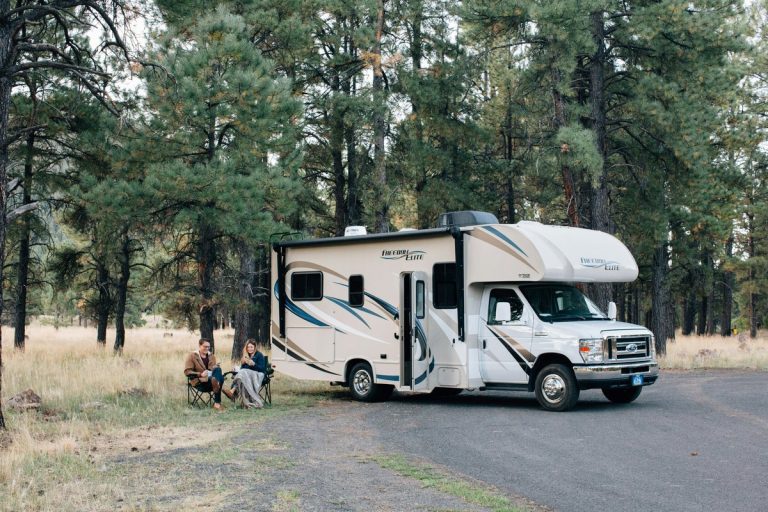

Best Portable Power Stations for Camping 2024
Disclosure: As an Amazon Associate, we earn from qualifying purchases. This post contains affiliate links, meaning we may receive a commission if you make a purchase through them (at no extra cost to you). We only recommend products we trust and use ourselves.
Best Portable Power Stations for Camping 2024
- Introduction
- Why You Need a Portable Power Station for Camping
- Key Features to Consider
- Top Portable Power Stations for Camping: Comparison Table
- Detailed Reviews of the Best Models
- How to Choose the Right Size Power Station
- Solar Charging: Going Off-Grid
- Tips for Maximizing Your Power Station’s Battery Life
- Conclusion
Introduction
Camping is all about disconnecting from the daily grind and reconnecting with nature. But let’s face it: we still rely on our gadgets. Whether it’s charging your phone for maps and photos, powering a portable fridge, or running a CPAP machine, having a reliable power source can make or break your trip. That’s where the best portable power stations for camping come in. These silent, emission-free battery generators let you bring the comforts of home without the noise and fumes of a traditional gas generator.
In this guide, we’ll walk you through the top portable power stations on the market, explain what features matter most, and help you pick the perfect unit for your camping style. From solar-ready models to high-capacity beasts, we’ve got you covered.
Why You Need a Portable Power Station for Camping
Picture this: you’re at a scenic campsite, no hookups in sight. Your phone is dying, the kids want to watch a movie on the tablet, and you’re craving a hot cup of coffee from your electric kettle. A portable power station solves all that. Unlike gas generators, these units are whisper-quiet, produce zero fumes, and require no fuel. They’re safe to use inside your tent or RV, and they keep your devices running all weekend.
Portable power stations are also incredibly versatile. Many models offer multiple outlets: AC, USB-A, USB-C, and even 12V car ports. You can charge everything from smartphones and laptops to mini-fridges, lights, and medical devices. Plus, with solar panel compatibility, you can recharge your station during the day for endless off-grid power.
Key Features to Consider
Before diving into specific models, here are the critical specs to evaluate:
- Battery Capacity (Wh): Measured in watt-hours, this tells you how much energy the station can store. A 300Wh unit can charge a smartphone about 30 times or run a 60W fridge for 5 hours. For weekend trips, 300-500Wh is typical; for extended stays, aim for 1000Wh+.
- Output Ports: Check for enough AC outlets (pure sine wave for sensitive electronics), USB-A, USB-C (with Power Delivery for fast charging), and 12V DC. Some models include wireless charging pads.
- Recharge Options: The best stations support AC wall charging, car charging, and solar input. Look for MPPT charge controllers for efficient solar charging.
- Weight and Portability: If you’re backpacking, every pound matters. Car campers can handle heavier units with higher capacity.
- Inverter Type: Pure sine wave inverters are essential for sensitive electronics like laptops and CPAP machines. Modified sine wave can cause buzzing or damage.
- Additional Features: LCD screens, app control, expandable battery packs, and pass-through charging (use while charging) are nice bonuses.
Top Portable Power Stations for Camping: Comparison Table
| Model | Capacity (Wh) | Weight (lbs) | AC Outlets | USB-C PD | Solar Input | Price Range |
|---|---|---|---|---|---|---|
| Jackery Explorer 500 | 518 | 13.3 | 1 | No | 120W | $499 |
| Bluetti EB70S | 716 | 21.4 | 2 | 2x 100W | 200W | $599 |
| Goal Zero Yeti 1500X | 1516 | 45.7 | 2 | 1x 60W | 600W | $1799 |
| EcoFlow Delta 2 | 1024 | 27 | 6 | 2x 100W | 500W | $999 |
| Anker PowerHouse 757 | 1229 | 43.9 | 3 | 2x 100W | 500W | $1399 |
Detailed Reviews of the Best Models
Jackery Explorer 500
The Jackery Explorer 500 is a go-to for car campers who need a reliable mid-range unit. Its 518Wh capacity handles phones, tablets, lights, and a small cooler for a weekend. The compact design (13.3 lbs) makes it easy to carry. It’s not the fastest to charge (7-8 hours via AC), but its durability and customer service are top-notch. Perfect for budget-conscious campers.
Bluetti EB70S
Bluetti’s EB70S packs 716Wh into a rugged frame with two AC outlets and two 100W USB-C ports. It supports fast solar charging (200W input) and has a long-lasting LiFePO4 battery (over 3500 cycles). The LCD screen provides detailed info. It’s slightly heavier (21.4 lbs) but offers great value for its features.
Goal Zero Yeti 1500X
For serious off-grid power, the Yeti 1500X delivers 1516Wh with a massive 600W solar input. It can run a mini-fridge, CPAP, and multiple devices simultaneously. The Yeti app lets you monitor and control from your phone. Its weight (45.7 lbs) and price ($1799) make it best for RV or base camp use.
EcoFlow Delta 2
The EcoFlow Delta 2 is a powerhouse with 1024Wh capacity and a 1800W AC output (surge 2400W). It charges from 0 to 80% in just 50 minutes via AC – the fastest in its class. With 6 AC outlets and two USB-C PD ports, it’s ideal for group camping. The expandable battery option (add extra batteries for 2048Wh) is a huge plus.
Anker PowerHouse 757
Anker’s PowerHouse 757 features a long-lasting LiFePO4 battery (3000 cycles) and 1229Wh capacity. Its 3 AC outlets and dual 100W USB-C ports cover most needs. The robust build and smart temperature control ensure safety. It’s heavy (43.9 lbs) but reliable for extended trips.
How to Choose the Right Size Power Station
To determine the capacity you need, list all devices you plan to power and their wattages. Multiply each device’s wattage by the hours of use per day, then sum them up. For example:
- Smartphone (10W) x 2 hours = 20Wh
- LED lantern (5W) x 5 hours = 25Wh
- Laptop (60W) x 3 hours = 180Wh
- Mini-fridge (50W) x 10 hours = 500Wh
Total = 725Wh per day. For a 2-day trip, you’d need at least 1450Wh, so a 1500Wh station like the Yeti 1500X would be ideal.
Don’t forget to account for inefficiencies (inverter loss) – add 10-20% to your total. If you plan to recharge via solar, you can get away with a smaller station.
Solar Charging: Going Off-Grid
Solar panels let you keep your power station topped up without a wall outlet. When choosing solar panels, match the voltage and wattage to your station’s solar input specs. For example, the Jackery Explorer 500 accepts up to 120W, so a 100W panel works well. Most stations use MC4 connectors for easy setup.
Portable solar panels like the Jackery SolarSaga 100W or the Goal Zero Nomad 100 are foldable and lightweight. Set them up in direct sunlight and angle them toward the sun for best results. Many stations support pass-through charging, so you can use the station while it’s charging from solar.
Tips for Maximizing Your Power Station’s Battery Life
- Avoid deep discharges: Try to keep the battery above 20% to extend its lifespan.
- Store at moderate temperatures: Extreme heat or cold can degrade the battery. Store indoors when not in use.
- Use energy-efficient devices: LED lights, efficient fridges, and low-power chargers reduce draw.
- Charge devices directly: Avoid using an AC adapter if a USB cable works – it’s more efficient.
- Turn off unused ports: Some stations have a standby mode; enable it to save power.
Conclusion
A portable power station is a game-changer for camping. It gives you the freedom to stay connected, comfortable, and safe without relying on noisy generators or campsite hookups. Whether you choose the budget-friendly Jackery Explorer 500, the versatile Bluetti EB70S, or the high-capacity EcoFlow Delta 2, you’ll enjoy quiet, clean power wherever you roam.
Ready to upgrade your camping experience? Check out our top picks above and invest in a power station that fits your needs. Your next adventure awaits – fully charged.
Note: Prices and specifications are accurate as of publication. Always verify with the manufacturer before purchasing.
Further reading